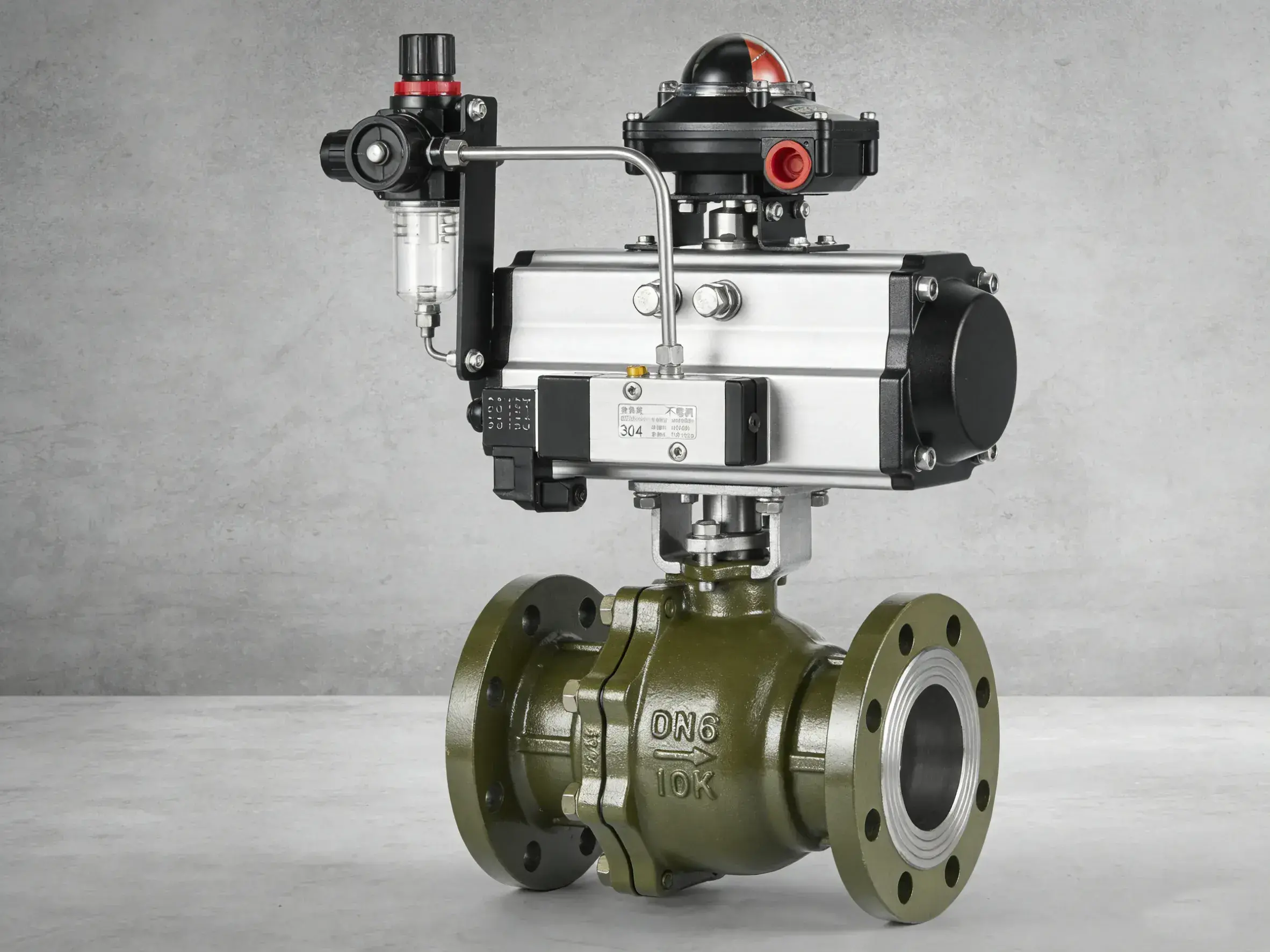
system wide compatible premium coated ball valve selections?
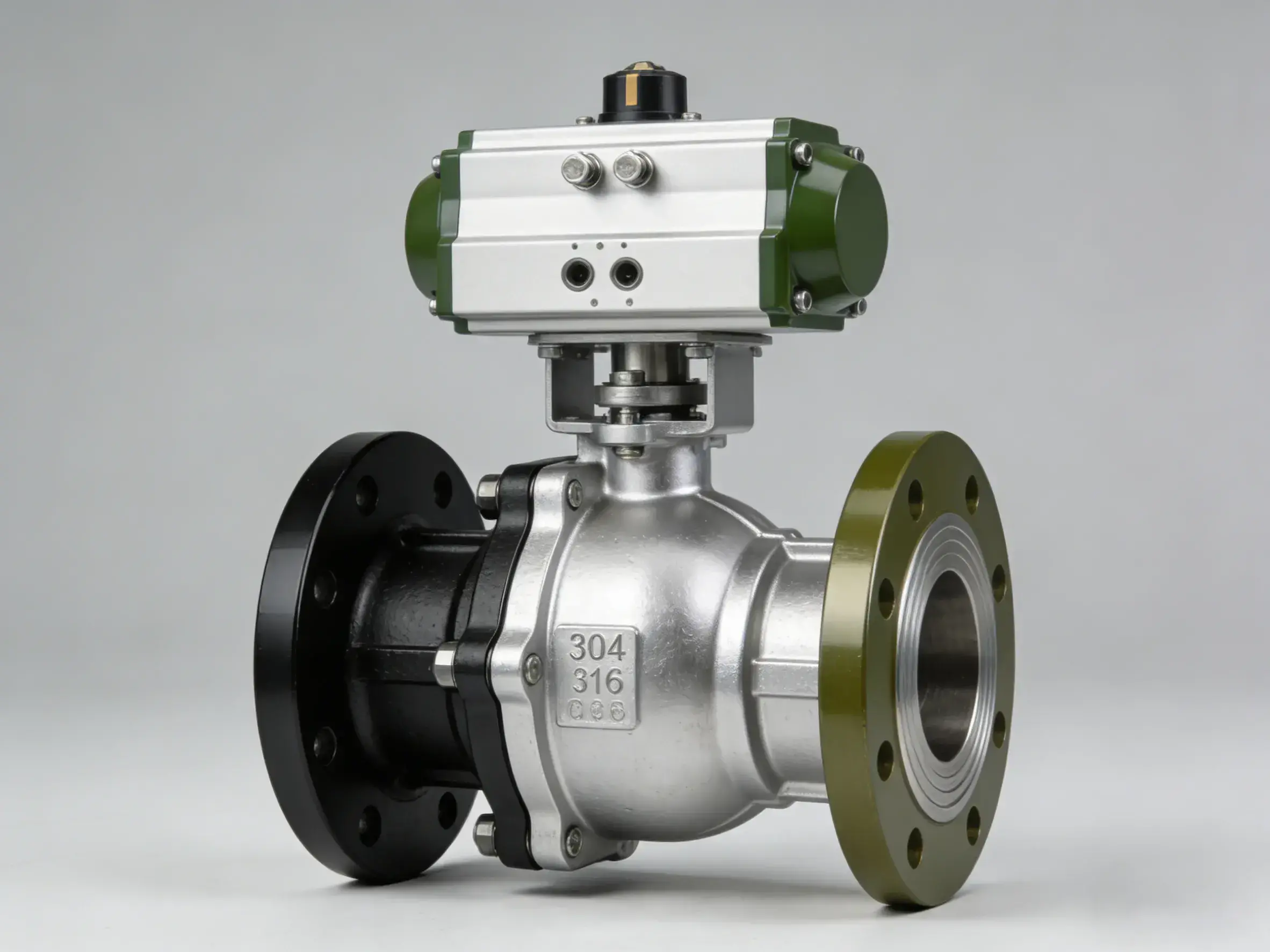
Paramount industrial valve picking boosts system operation along with system-wide productivity. To warrant excellent operation, it's imperative to meticulously choose valves that fit application demands.
An inclusive valve selection resource has to analyze a diversified parameters including liquid nature, operational tension, heat scale, flux speed, and management prerequisites. What's more, ascertaining the appropriate valve control method such as pneumatic, hydraulic, or electric is significant.
Comprehensive Review of Butterfly Valve Function
Establishing ideal operational parameters for butterfly valves is important for specialists wanting consistent and effective system control. The study explores vital elements affecting butterfly valve functionality, covering composition features, environmental conditions, and evaluation procedures. Using exhaustive scrutiny of these attributes, the study strives to give detailed grasp of contributors to butterfly valve efficiency.
- Structural components crucially influence total efficiency
- Constituents of valve framework strongly determine resilience amidst multiple working contexts
- Pressure differential serves as essential measure in evaluating butterfly valve effectiveness, predominantly at amplified discharge volumes
Ball Valve Applications in High-Pressure Systems
Ball valves prove to be robust selections for handling elevated pressure tasks. Their basic scheme involves a spherical piece with an inlet that rotates to manage fluid transit. This construction effectively handles high-pressure conditions thanks to its tight sealing.
Across domains like fuel extraction, ball valves undertake a crucial position in overseeing substantial pressure conduits. Their hardiness identifies them as adapted to withstand the pressure of increased pressure content.
- Moreover, ball valves feature fast response time, enabling prompt flow adjustment.
- Found in assorted elements and proportions, ball valves adapt to fulfill particular prerequisites of multiple intense pressure scenarios.
Recognizing Multiple Valve Forms and Their Operations
Within fluid technology, valves act an indispensable part in directing flow of fluids or air. Opting for the right valve category is critical for achieving optimal operation. Valves distinguish through their mode of action, form, and usage pattern. Standard valves consist of gate, globe, check, ball, and butterfly assortments. Every variant displays distinct features, rendering them appropriate for particular uses. Notably, gate valves modulate flow totally, while globe valves facilitate exact management of volume. Check valves prevent backflow, ensuring one-way passage. Ball valves manifest rapid and reliable toggle operation, while butterfly valves are fruitful for high output applications.
Enhancing Fluid Regulation via Industrial Valves
Adjusting flow constitutes a fundamental element within diverse industrial tasks. Industrial valve apparatuses maintain primary responsibilities guiding the flow of fluids and vapors across facilities. Applying relevant valve styles coupled with tactical control schemes assists organizations in augmenting process performance, risk reduction, and quality results.
An essential subject in developing flow operation includes understanding numerous valve roles. Different valve designs are suited for specific flow characteristics, pressure ranges, and operating environments. Such as globe valves frequently serve for modulating flow, and ball valves succeed in full closure roles.
Achieving precise fluid handling requires attention to parameters like valve measurements, activation types, and control frameworks. Using state-of-the-art control methods like programmable logic controllers provides autonomous flux observation and tweaking, elevating system functioning.
Routine care of manufacturing valves is necessary for reducing faults and ensuring effective flow governance. Detecting prospective problems promptly can reduce expensive stoppages and guarantee uninterrupted functioning of vital procedures.
Preservation Procedures for Production Valves
Routine upkeep of factory valve systems is essential for securing stable and trustworthy functioning across industries. A structured upkeep protocol needs establishment, with continual monitoring to address hazards before serious failures result. Oiling of valve parts in line with producer guidelines notably prolongs operational lifespan and decreases wear. Besides, preserving valve purity by extracting contaminants supports flawless activity.
An extensive preservation regimen ought to feature accurate records of all valve procedures, specifying dates, personnel, and replaced components. Careful documentation assists in monitoring valve condition longitudinally and supports strategic planning for upcoming servicing.
Automation's Impact on Valve Functioning
Automated systems have transformed valve operation across various sectors. Incorporating automation tools enables enhanced valve regulation, limiting manual input and elevating system productivity. Automatic valve control provides numerous advantages such as improved precision, lowered stoppages, and enhanced security
- Sensors play a crucial role in automated valve systems, providing real-time data on valve position. Processing units receive this data to autonomously adjust valve operations
- SCADA platforms are regularly utilized to coordinate automated valve functions, supporting complex management algorithms. The architectures monitor valve service, diagnose troubles, and conduct fixing procedures
Additionally, machine-controlled valve management facilitates better system surveillance. Accruing valve performance signals assists supervisors in gathering precious cognition to advance system efficiency and lessen overhead
Safety Measures During Industrial Valve Installation
During valve implementation in plants, comprehensive safety measures remain essential. Breaching precautionary protocols invites perilous failures, conceivably producing system damage and essentially personal harm. A vigilant peril inspection must be arranged before mounting to uncover hazards and integrate applicable management measures.
Guarantee all workers engaged in setup operations receive sufficient instruction and accreditation related to valve control and adherence to safety protocols. Create a framework for frequent assessments aimed at discovering degradation or faults in valve assemblies. Preserve comprehensive logs including every assembly, checking, and repair operation for reference purposes
- Comply relevant industry standards and regulations governing valve installation and operation
- Operate adequate utensils and mechanisms built for industrial valve construction
- Interact transparently with all contributors addressing the task to affirm safe and productive setup
Valves: Principal Units in Manufacturing Environments
Throughout the elaborate domain of industrial/fabrication/processing fields, valves act as essential parts. They operate to adjust fluid currents throughout sophisticated systems, supporting reliable functioning and safeguarding. Valves are utilized in a wide range of applications, from controlling temperature and pressure to transporting products
- Diverse valve varieties prevail, each crafted to fulfill distinct purposes. Typical instances are gate, ball, and globe valves
- Valve selection evaluates aspects like volume flow, pressure intensity, temperature range, and fluid composition
- Secure valve working represents an essential factor in process industries to minimize disruptions and protect product excellence
Periodic checking of valves remains vital for extending service life and curbing possible breakdowns
Progressive Compositions in Valve Fabrication and Construction
The enhancement of valve making and design predominantly emerges from sustained adoption of high-tech materials. These modern compositions grant several refined attributes over traditional picks, facilitating makers to assemble more powerful valves. Prominent illustrations are resilient ceramic materials favored for hardness in stringent milieus, coupled with light alloys that optimize functioning while curbing bulk. The use of modern compositions facilitates valves bearing enhanced sealing properties, increased longevity, and strengthened corrosion endurance
Valve Movement Mechanisms: A Comparative Assessment
{This investigation delves into the diverse valve actuation mechanisms prevalent in modern engineering applications|This exploration examines the varied valve drive technologies common in contemporary engineering uses|The study analyzes the mixed valve triggering systems typical in current engineering projects|This research evaluates the assorted valve motion methods widespread in advanced engineering scenarios|The survey inspects the multiple valve control techniques existing in up-to-date engineering solutions|This review considers the assorted valve operating mechanisms encountered in butterfly valve present-day engineering environments|This analysis explores the various valve activation systems found in progressive engineering implementations|The inquiry scrutinizes the heterogeneous valve act