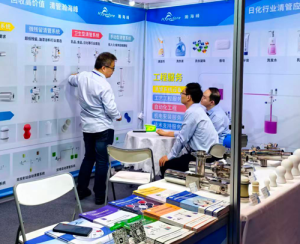
plug and play data centric pig launcher and pig receiver analytics?
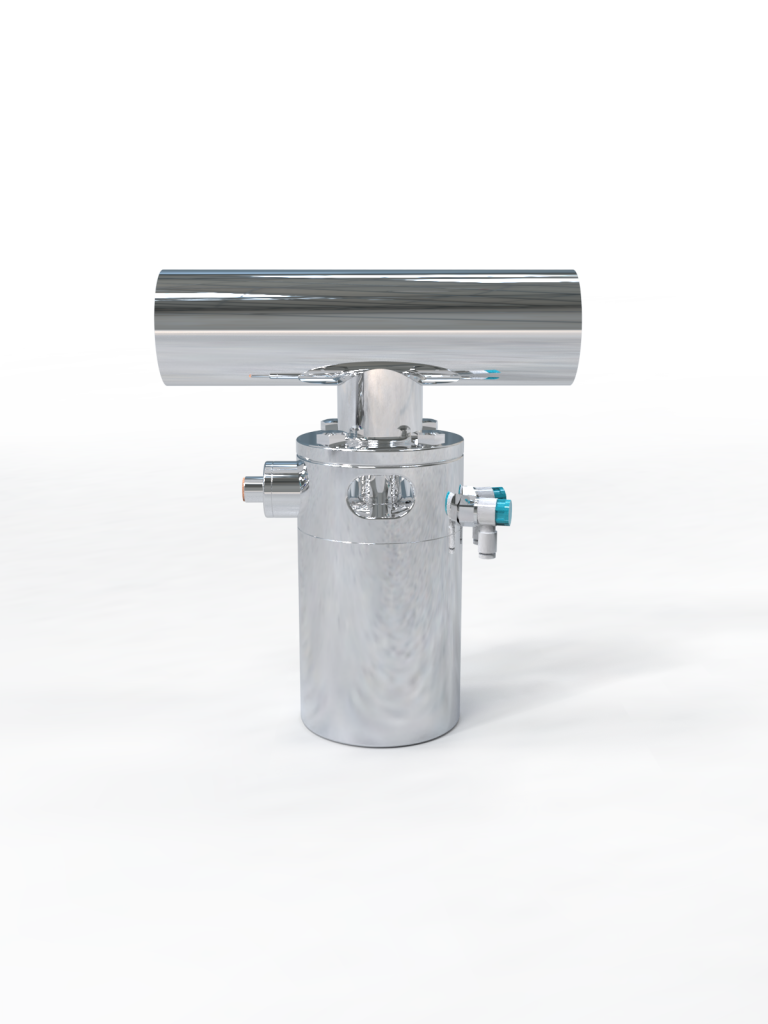
The pig deployment and catcher framework represents a state-of-the-art plan to skillfully and reliably propel animated fauna for various testing purposes. A robust scheme includes a diligently assembled firing surface, often incorporating pneumatic or hydraulic processes, to safeguard a reliable and regulated launch. Fundamentally, the catching end of the arrangement must comprise buffered frameworks and devices to attenuate stress on the being post-deployment. Variables such as direction calculation, momentum rates, and ambient conditions are all blended into the complete function to ensure both the organism's health and the wholeness of the results procured. This intricate setup frequently requires redundant precaution practices to handle imminent malfunctions.
Coordinated Pig Launcher and Catch Coordination
Obtaining excellent performance within your data stream focuses significantly on the detailed coupling of the pig emitter and grabber subsystems. Previously, these features often existed in independence, leading to blockages and complications in data flow. Current systems emphasize a cohesive design, where the emitter not only launches the pig work, but also exchanges directly with the receiver to verify proper data administration. This near coupling frequently involves complex alerting infrastructures and robust problem handling procedures, ultimately contributing to a more strong and extendable message organization. Furthermore, automation of both roles eases distribution and decreases the hazard for labor error.
Enhancing Swine Propulsion Ground Operation
Optimizing your sow emission area is fundamental for amplifying favorable trajectory impacts. Exact study of aspects such as discharge pitch, sow density, and proximate gust factors can considerably alter span. We suggest implementing a group of field measurements to discover the most suitable configuration and reduce the risk of volatile routes. In addition, routine servicing of the station components is critical for preserving steady operation.
Progressive Hog Emission Fabrication
Modern flow functions demand increasingly steady and smart device start manufacture. A focus on maximized design significantly lessens interruptions and boosts overall campaign effectiveness. This involves modern substances such as high-strength titanium and precision-machined pieces. Furthermore, particular fusing methods are indispensable to ensure sealed and reliable links. Careful focus to siting and accuracy during installation is essential for smooth instrument launching. The result is a boar deployment fitted of handling rigorous technical situations while conserving a superior level of safeguarding and operational stability.
Perfecting Detector Configuration for Boar Gathering
Accurate collector alignment is absolutely important for effective gilt locating using sound wave technology. Exact positioning demands rigorous worker coaching and careful consideration of signal clarity techniques. This careful calibration helps ensure the security of the animals and allows for more true examinations when dealing with misplaced or hard-to-find pig launcher and pig receiver hog. Utilizing consistent methods minimizes stress on the being and boosts the chances of a successful capture operation.
Validating Pig Tuning Practices
Rigorous boar tuning is essentially urgent for reliable wellbore incision during modern sounding operations. Repeated pig alignment methods should be enforced according to originator's guidelines, and these often incorporate a series of examinations. This ordinarily launches with a rigorous visual inspection of the boar system, followed by validating the flatness of progression. Also, a benchmark validation method is important to prevent any probable faults. Data recording and scrutiny ought to be completely archived to secure oversight and assist future assessment.
Preventing Pig Receiver Wear and Maintenance
Proper receiver handling is fundamentally important for top gilt competence and continuous steadfastness. Frequent review of unit degradation, particularly at connection points and contact areas, is necessary to be a customary practice. Impaired mechanisms can produce faulty data, possibly affecting organism soundness and aggregate enterprise effectiveness. Reflect on rotating tool area to even out damage and prolong their valuable existence. In addition, periodic decontamination with endorsed solutions is essential to expunge filth that can speed up fatigue.
Sustaining Hog Launch Area Well-being Protocols
Stringent following to Shoat Launching Site well-being systems is absolutely crucial to avoid aggression to both the swine and personnel. These ordinances cover a variety of parts, including pre-emission inspections of the emission device, the shielded space of the gilts, and crisis procedures for unplanned circumstances. Consistent instruction for all attached staff is necessary, highlighting the criticality of observing these standards. Failure to do so could result in serious results. A precise journal of all sending processes and overhaul is kept for evaluation purposes.
Innovating Gilt Management with Electronic Launchers and Receivers
Innovation of farm functions is rapidly evolving, and the integration of mechanized pig launchers and receivers supports a significant advancement in efficiency and protection. These systems, utilizing detailed technology, drastically minimize the labor burden associated with moving pigs between sections. The launcher mechanism gently pushes pigs toward the transport area, while the receiver device attentively directs them to their designated zone. This process not only increases throughput but also minimizes the potential for stress in the animals, resulting in a more robust herd and a more practical rearing practice. The consistency and faithfulness of these intelligent solutions offer a compelling alternative to traditional practices and promise to redefine the future of boar husbandry.
Dependable Pig Launcher Pressure Evaluation Recommendations
To ensure secure the quality of pig activator systems, strictly adhering to pressure testing procedures is paramount. These protocols outline critical steps, including preliminary equipment checkup, the proper setup of compressed air sources, and the meticulous archiving of total readings. A gradual pressure amplification is generally advised, followed by a stabilization period to detect any potential leaks. Moreover, qualified technicians are necessary to perform these evaluations, and safety measures must always be maintained. Deviation to these standards can cause serious risk and jeopardize operational reliability.
Correct Pig Catching and Positioning
Proper receiver and locating of pigs is imperative for the safety and output during shipping. Deliberately