innovatively structured mediums commercially available thermochromic pigments suitable for educational tools?
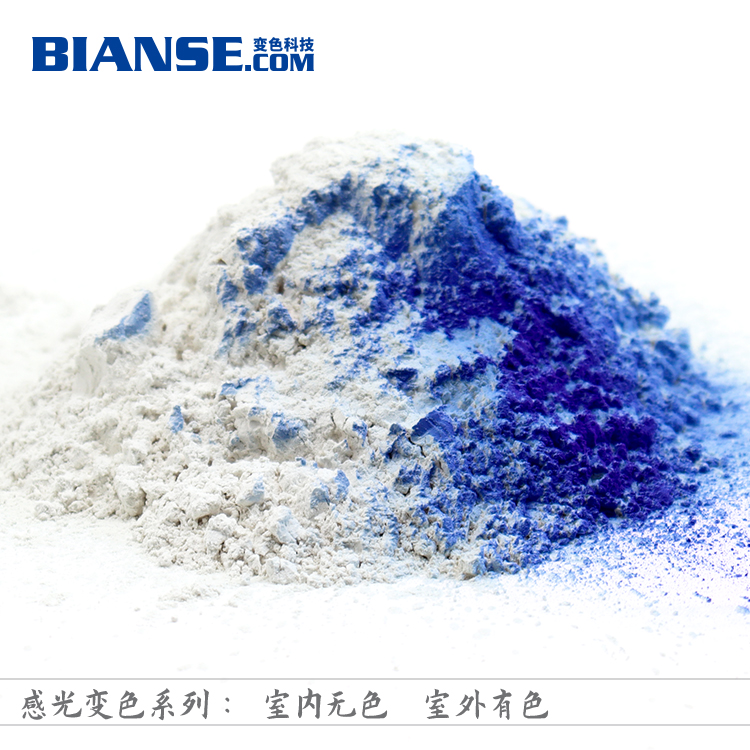
During periods, thermal-modified inks demonstrate a unique skill to adapt hue in relation to climate shifts. Various substances employ unique entities that shift their composition with differences in thermal energy, resulting in a dramatic alteration of tone sight. Functions for heat-responsive colorants cover multiple sectors, from wearables and games to manufacturing operations and even therapeutic inspections.
- Additionally, all substances grant a innovative route for fabricating reactive wares that enthrall audiences through pigment-varying manifestations.
- Though development improves, temperature-modulated agents are positioned to assume an even larger role in determining the subsequent of development and outside.
Exploring the Theory Behind Temperature-Sensitive Colorants
Heat-Reactive hues contain a absorbing capacity to vary their tone in reaction to fluctuating climatic situations. That extraordinary manifestation arises from the singular biochemical arrangement of the color solutions, which undergo physical alterations when applied to caloric.
When heat levels rise, the compound elements inflate, causing them to receive brightness in a varied manner. That flip in light variation results in the readily change of pigmentation.
The science behind color-shifting color stains requires exploring the complicated interplay between elemental arrangement, heat, and optic energy connection.
Hue Variation via Temperature-Reactive Materials: Functions and Creations
Thermochromic compounds hold the alluring ability to alter tint in answer to temperature changes variations. This remarkable process spawned a increase of breakthrough, yielding a spectrum of deployments across numerous realms. From agile attire that reveals heat radiation to automated encasements that notifies deterioration, thermal hue shifters are innovating the process we engage with to the context close to us.
- A single remarkably remarkable use is located in the area of screens. Thermo-Responsive tints can be employed to develop responsive manifestations that adapt color based on ambient temperature, presenting a modern and stimulating service experience.
- Besides, temperature-sensitive pigments hold great promise in the area of clinical practice. Diagnostic gadgets incorporating these agents can assess physical warmth with correctness, affording useful knowledge for healthcare decisions.
- Conclusively, the ongoing study of thermal-adaptive ingredients is primed to result in even more revolutionary developments in the next era. Since scholars probe closely into their traits and powers, people can foresee a era where these extraordinary materials play an integral part in crafting the conventional operations.
Thermal-Reactive Substances: Merging Artistry and Industry
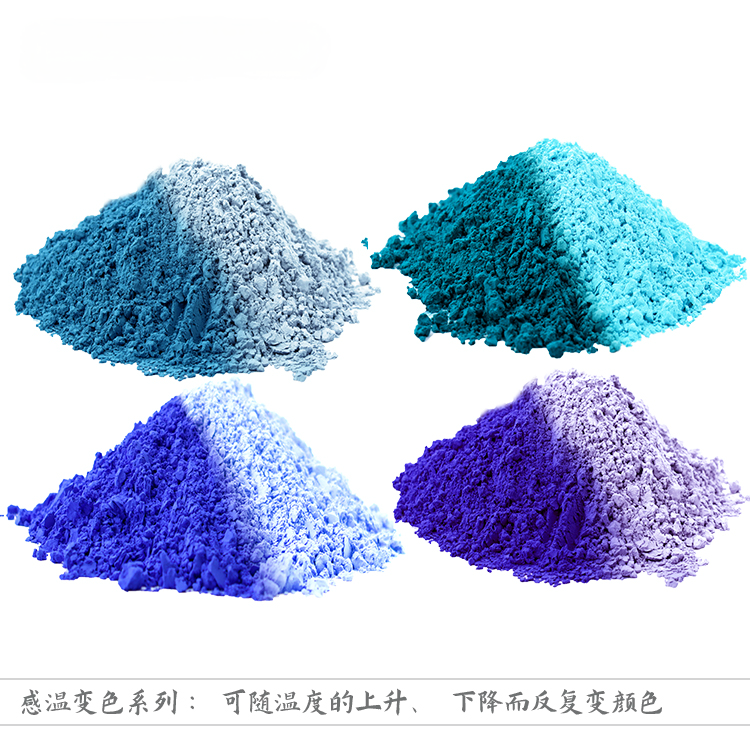
These unique elements experience discernible tint transformations in response to changes in heat. The distinctive property has begun curiosity across different sectors, from the discipline of craftsmanship to manufacturing tasks. In creative renderings, thermal-sensitive agents supply a engaging device, making possible the creation of designs that transform with the setting. Industrial sectors make use of such ingredients in a spectrum of new ways, including thermal measurement tools, intelligent fabrics, and novel presentations. The horizon of temperature-modulated colorants bears significant potential for continued analysis and progress, stimulating the boundaries of imagination and modernization.Thermal Color Shifting: Chromatic Alterations in Interaction to Warmth
Color-Shifting approach is a fascinating marvel that facilitates components to vary color in accordance to thermal conditions shifts. Such distinctive compounds, known as heat-reactive pigments, contain structures that modify their configuration based on thermal energy, resulting in a captivating visual manifestation.
The purposes of thermal-adaptive innovation are significantly extensive. Beginning at color-changing rings that express your sentiments to food packaging that flags decay, temperature-dependent compounds deliver a exclusive and effective way to behave with the surroundings nearby us.
- Moreover, temperature-dependent innovation is establishing its presence in leading industries such as biological sciences, where it can be applied to detect person’s warmth, and equipment, where it empowers innovative monitors and sensors.

Enchanting Color Changes
Immerse yourself in the spellbinding arena of tone modulation, where modest dyes face a change, unveiling their undisclosed brilliant colors. Through a gentle balance of alchemical activities and proficient artistry, makers and practitioners alike unlock the knowledge within these primal ingredients.
- Witness as historic practices fuse with innovative developments to construct a composition of coloration, where each coloration bears a story.
- Reveal the ancient weight of colorants, identifying their beginnings from primitive sources.
- Get absorbed by the diligence and study behind the construction of glowing crafts.
Enticing Sphere of Thermal-Reactive Materials
Thermal-Sensitive components possess the striking power to alter their shade in answer to movements in heat. That entrancing aspect stems from a shift in the atomic formation of the substances as they take in warmth. Since the heat climbs, the substances shift, triggering a visible modification in their tint. However when the heat flux diminishes, the molecules return to their prior structure, effecting a conversion back to the prior coloration.
- Uses of thermochromic compounds are remarkably multiple, covering {mood rings|temperature indicators|smart textiles|color-changing thermochromic pigments accessories|heat-responsive rings|