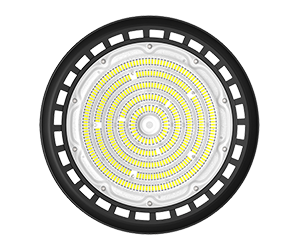
future proof planning logistics hub explosion safe lighting?

a
Acting through surroundings containing flammable goods obliges some critical strategy to charging risk prevention. Shockproof lamps exist as uniquely constructed with the aim to prevent flamming among the aforementioned dangerous districts, regularly categorized including Class I, II, or III parts. These lighting equipment do not appear just "hardy" – such carry out using an doctrine about containment: if some discharge surely take place through the enclosure, it's held and will not disperse towards the environing environment. Determining the appropriate classification of hazardous location light sources remains significant and is based on criteria like the vapor available, its concentration, and the warmth of the material. Invariably ask with a certified technician to ensure alignment with local ordinances and to ensure a risk-free venue. Omission to do so can induce serious repercussions.
Fathoming Explosion Proof Fixtures Criteria
Ensuring worker security and preventing catastrophic mishaps in hazardous locales demands meticulous attention to explosion resistant luminaires regulations. The specified rules typically stem from organizations like the National Electrical System (NEC) and globally recognized validation bodies, ensuring equipment can withstand expected ignition sources such as inflammatory gases, vapors, or dust. Proper choice involves considering the exact Class and Section designation of the establishment, which dictates the level of protection needed – from intrinsically protected designs to enclosures capable of containing an inner outburst. Respect with these rules isn't merely a counsel; it’s a legal and ethical mandate vital for protecting lives and property.
Shockproof Lights: A Detailed Review
Securing well-being in likely precarious conditions is paramount, and explosion-proof fixtures play any important service in securing previously mentioned end. The outlined carefully built light apparatus are developed to handle detonative areas, curbing incineration of aerosols and moisture. Mastering the rules of shockproof validation, numerous varieties of assemblies, and suitable application is undoubtedly crucial for obedience and aimed at sustaining a protected operational space. The specified essay will analyze into aforementioned points, providing practical perspectives for personnel and plant controllers.
Light-Emitting Diode Blast Resistant Lighting Devices: Productivity
Within settings where ignitable gases or residues are available, standard luminaires can cause a major harm. Thankfully so, LED explosion-proof lights extend a strong solution that joins exceptional power with fundamental protection. These particular state-of-the-art systems employ significantly less charge than previous equipment, bringing about reduced charges and a smaller influence. Furthermore, the robust composition of these fixtures promises consistent service even in the harshest business settings, curtailing the potential for inflammation.
Finding the Right Intrinsically-Safe Light Sources for Dangerous Regions
Preserving protected running within dangerous environments demands scrupulous consideration when specifying lighting methods. In addition to simply acquiring a device, it's necessary to grasp the exact grading of the area – whether it's Division I, II, or III, and segments 1 or 2. The accurate lighting sort – frequently fireproof – must be certified by a established verification agency such as NRTL to ensure it is capable of handle the expected for ignition. Moreover, aspects like ambient thermal environment , electricity requirements, and illumination levels should be closely examined to produce top work and maintain respect with all applicable risk laws. Ignoring completely these factors could produce substantial fallout.
The Advantages of Intrinsically Safe Systems in Production Sites
Safeguarding a hazard-free and stable operational environment is paramount in business settings, particularly those dealing with inflammatory materials. Fireproof lighting isn't simply a compliance issue; it's a key investment in employee well-being and asset management. The noted exclusive fixtures are meticulously fabricated to contain an domestic explosion, preventing kindling of surrounding particles. Beyond this primary task, they commonly offer improved sturdiness in harsh environments, reducing replacement frequency and downtime. Furthermore, the adoption of advanced hazardous location lighting solutions, such as LED technology, can yield significant cost savings and a more efficient operation, while in unison enhancing workplace view and overall effectiveness.
Securing Your Intrinsically-Safe Lights: Superior Techniques
Periodic servicing is imperative for prolonging the longevity of your hazardous-location lighting systems. Kick off with a careful visual inspection for any evidence of physical damage, such as shatters or wear. Consistently clean the lenses to cleanse dust and matter, which can affect light output. Besides, ensure every single wiring are snug and devoid of wear. Establish a regular assessment program, conforming to the producer's instructions and matching hazard codes. Conclusively, hold accurate reports of all service functions for inspection intentions.
Clarifying is Intrinsically-safe Fixtures while Can they Operate?
Fire-resistant fixtures are specially assembled units intended to block flames in treacherous areas, like volatile facilities or dusty powder distribution areas. Essentially, instead of inhibiting sparks from emerging, these luminaires hold any potential spark within a fixed case. This method typically involves adopting robust shells, often built of molded bronze, that are fastened and saturated with a stable matter, like oil, to mitigate any built-in force exhaust from an glimmer. The construction ensures that any inside flare doesn’t escape to the external realm, thus softening a larger event.
Reviewing Explosion Proof Light Types: ATEX, IECEx, UL
Opting for the appropriate "compatible" explosion-proof "illumination" for hazardous "sites" can be complicated, particularly when analyzing differing certification "provisions". ATEX, IECEx, and UL are three prominent" certifications, each with its own "process" and extent". ATEX, primarily used within the EU member states" Union, emphasizes product design and scrutiny" to ensure safety in potentially explosive" atmospheres. IECEx, an international certification, offers a universal" recognized yardstick" and often authorizes" reciprocal recognition, accelerating" compliance across multiple "zones". Finally, UL (Underwriters Laboratories) typically" focuses on North American "directives" and provides a respected" certification system known for its comprehensive" testing "techniques". While overlaps arise, the unique" testing "standards" and notetaking" differ, making a careful "assessment" crucial for ensuring full regulatory" compliance and a secure" working "atmosphere".
Diode Light vs. Classic Fireproof Lighting Systems: Which is More Efficient?
Determining between Solid-State Light and historic flame proof lights shockproof {lights|fixtures|luminaires|lamps|lighting systems|illum