farm proven province specific drone farm programs?

Beginning
Plant covers grant various strengths to substrate vigor and horticultural approaches. With the goal of boosting these results, cultivators are progressively employing modern devices like precise aircasting. This technique operates UAVs equipped with scanners to effectively broadcast soil-covering seeds directly into the field. By enhancing seed dispersion and clustering, precision aerial seeding supports hardier cover crop formations, which foster to better soil structure.
Drone Spraying: A Revolutionary Approach to Agriculture
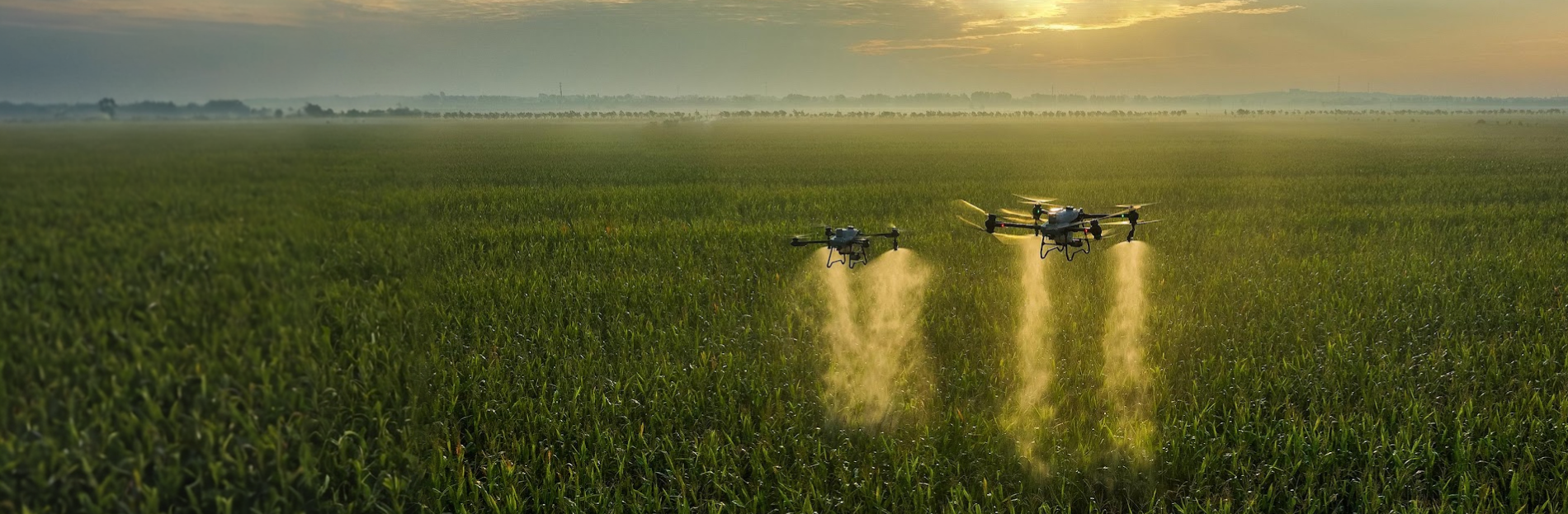
Flying machines have manifested as a revolutionary force in crop production, introducing a unparalleled process to harvest oversight. These distantly piloted machines are armed with innovative spray technologies that can effectively spread fungicides to farms with decreased environmental influence. Compared to traditional procedures, drone spraying yields several strengths. First, it allows for localized application of formulations, diminishing the overall level used and limiting dispersion. Second, drones can penetrate isolated plots that are usually closed off to ground-based vehicles. This increases coverage and capacity. Finally, drone spraying lessens labor costs and mobilizes farmworkers for other tasks. Using the use of drones in agronomy, cultivators can improve yields, cut back production costs, and advance sustainable farming protocols.Active Drone Applications for Enhanced Farming
Modern agriculture is progressively adopting advanced technologies to improve efficiency and fruits. Among these, drones are emerging as a game-changer, offering precise crop protection plans. Equipped with advanced imaging sensors and sensors, drones can rapidly survey expansive fields, spotting harmful organisms at their emergence. This real-time reports allows cultivators to apply targeted remedies only where needed, minimizing the use of substances and alleviating ecosystem disruption.
- Besides, drones can be used for other vital tasks such as seed dispersal, ensuring top-notch crop growth and improving overall productivity.
- Therefore, the integration of drones in agriculture promises a low-impact future, enhancing farming techniques for a more efficient food supply.
Maximizing Agricultural Yield with DJI Sprayer Drones
DJI pesticide drones changing modern agriculture by enabling agriculturists with an effective tool for crop preservation. These robotic flyers can quickly cover spacious areas, correctly applying fertilizers and defoliants to crops. This directed application cuts down the amount of agents used, benefiting the environment and improving overall crop output.
High-Altitude Sowing: Supporting Ecological Balance
Flight-based sowing provides a cutting-edge approach to natural revival, offering a green solution for revitalizing degraded ecological regions. By delivering seeds from the air, this approach allows for expansive coverage of sprawling regions, overcoming difficulties posed by traditional means. Aerial seeding advances the establishment of native local greenery, contributing to ecosystem health.
Besides, aerial seeding cuts workforce requirements, optimizing the reforestation cycle. This innovation holds remarkable potential for mitigating woodland clearing and building a more resilient future.
Modernizing Farming with Drone Technology
Flying robots are rapidly changing the landscape of cultivation. These autonomous flyers offer producers countless benefits, amplifying efficiency and drone spraying ontario crop gains. Drones can survey crops from above, spotting areas that need focus. This initial detection provides farmers to resolve issues as soon as they grow, diminishing crop damage and enhancing yields. In addition, drones can apply fertilizers and pesticides with targetedness, decreasing the amount of formulations used and lessening environmental impact. This resource-saving approach to farming is advancing in popularity as farmers seek to improve their operations and protecting the planet.Refining Crop Management via Drones
Modern agritech is upgrading the way crops are developed, and drones are playing a essential role in this development. Equipped with advanced sensors and cameras, these UAVs provide growers with critical insights about their fields, enabling them to make more informed decisions. Drones can track vast areas of land rapidly, detecting issues such as nutrient deficiencies, pest infestations, or irrigation problems. This real-time assessment allows farmers to address specific areas in need, optimizing resource usage and improving crop yields.
Also, drones can be used for a multiplicity of other tasks in precision agriculture, such as administering fertilizers or pesticides with greater accuracy and precision. They can also be used for planting crops, mapping fields, and even supervising livestock. The versatility of drones makes them an fundamental tool for modern farmers who are seeking to increase performance, reduce costs, and minimize their environmental damage.
Conquering Beyond the Horizon: Aerial Coverage for Maximum Impact
In modern fast-paced world, capturing inclusive coverage is key for reaching success. Sky-high views offer a extraordinary and strong way to capture events, landscapes, or projects in a way that traditional ground-level coverage fails to reach. From capturing stunning aerial photography to yielding critical insights through drone mapping, the possibilities are endless. By utilizing aerial coverage, businesses and organizations can enhance their impact, conveying stories in a way that is both engaging and insightful.
Drone Applications: Precision Pest Control through Aerial Spraying
Up-to-date agriculture is markedly adopting innovative plans to increase crop yield. Among these innovations, drone-based spraying has appeared as a advanced approach for precise pest management. Drones equipped with specialized spray nozzles can efficiently apply pesticides directly to target areas, minimizing dispersion. This targeted application lowers the overall load of chemicals required, contributing to a more green farming protocol. Furthermore, drones can promptly cover large plots, saving time and staff compared to traditional spraying methods.
- Benefits of drone-based spraying include:
- Augmented precision in application,
- Reduced chemical usage,
- Enhanced crop health,
- Cost-effectiveness
Altering the Landscape of Cover Crop Establishment
The agricultural industry is witnessing a major shift with the advent of drones in cover crop establishment. These unmanned aerial vehicles offer unprecedented precision and efficiency, reshaping traditional methods. Drones can correctly sow seeds across large areas, ensuring uniform coverage and increasing germination rates. This technology also allows for instantaneous monitoring of cover crop growth, enabling farmers to locate potential issues early on and implement timely interventions. Furthermore, drones can lower labor costs and earth-friendly impact by minimizing the need for manual seeding and chemical applications.
The deployment of drones in cover crop establishment presents a nature-friendly solution for enhancing agricultural practices. By making use of the power of drone technology, farmers can increase crop yields, advance soil health, and add to a more responsible food system.
Precision Agriculture at its Finest: Aerial Seeding and Spraying
Flight-deployed seeding and spraying have manifested as revolutionary tools in precision agriculture, providing farmers to increase crop yields and resource expenditure. By employing specialized aircraft equipped with state-of-the-art technology, these practices assist the precise application of seeds and chemical treatments directly to fields. This targeted approach minimizes waste and enhances crop health by supplying essential inputs exactly where they are needed.
- What's more, aerial seeding allows for the planting of crops in areas that are isolated fields using traditional methods, expanding farming possibilities and augmenting agricultural production.
- Concurrently, aerial spraying provides a efficient means of applying protective solutions to target specific pests or diseases, minimizing the risk of damage and guarding crop health.
As a result, aerial seeding and spraying exemplify the potential of precision agriculture in transforming farming practices. By leveraging advanced technologies, these methods aid green food production, ensuring a healthy agricultural sector for the future.