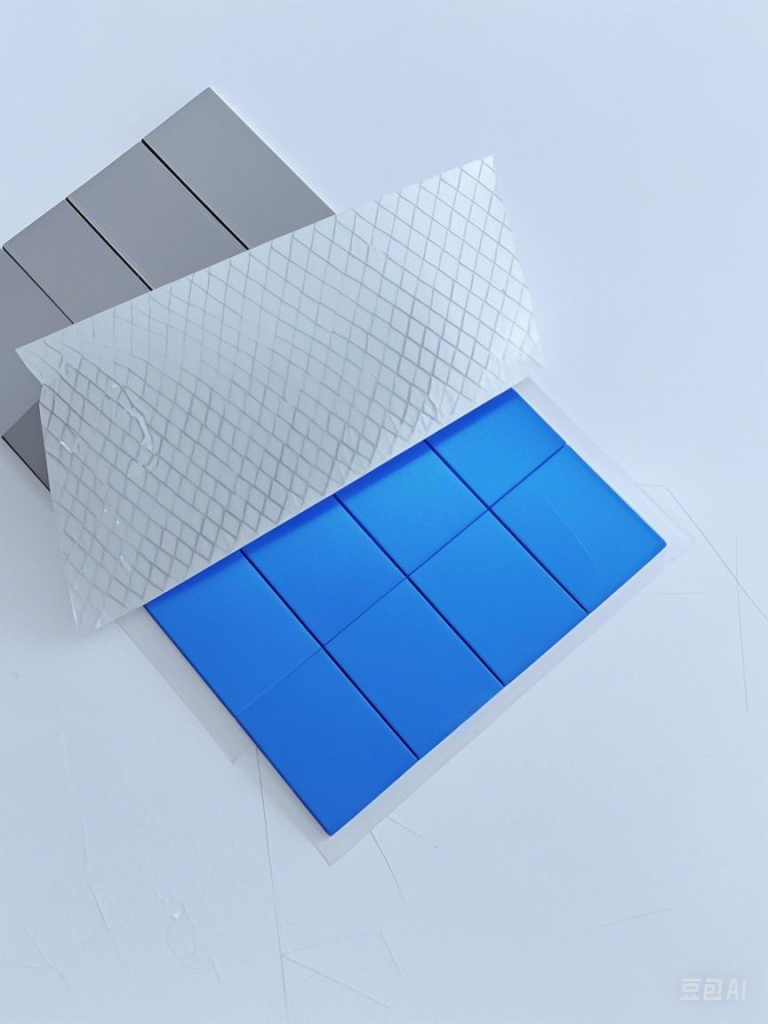
electrically conductive mesh-compatible robust thermal conduction film solution?
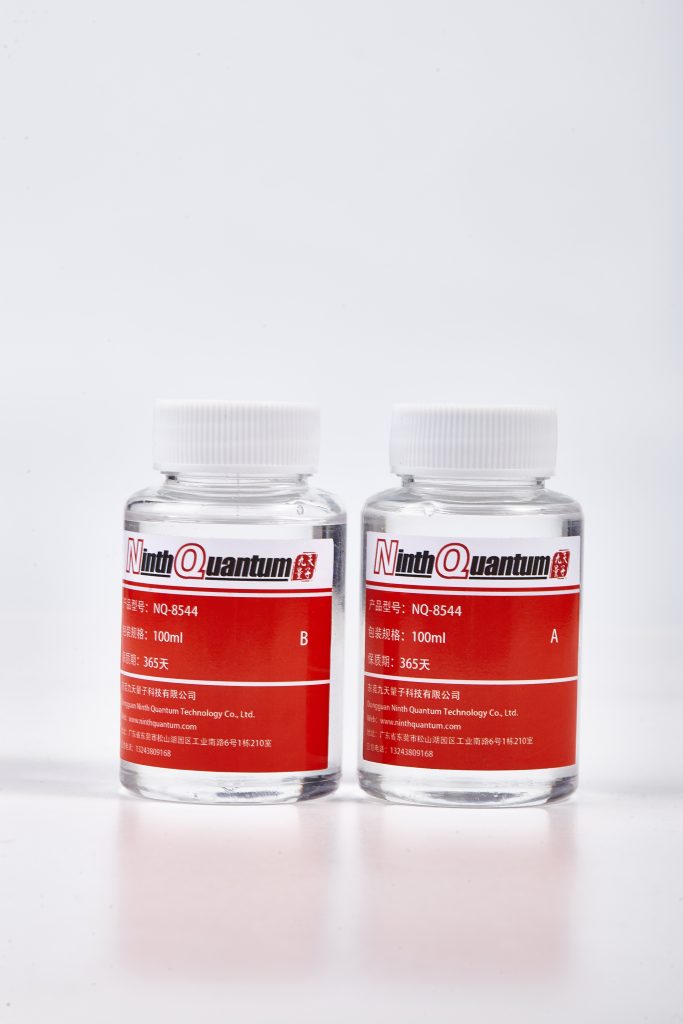
Within the demanding field of device coverage securing, acidic sealants have become a favored remedy owing to remarkable binding qualities and resistance to harsh surroundings. These formulations create reliable barricades against dampness, decay, and foreign substances. Correspondingly, their consistence with varied underlying elements furthers their employment spectrum.
- Still
- difficulties remain
- related to acid-based sealants.
These limitations refer to compromise of chip components and speculation about durability across lifetime. Extensive efforts in research and testing aim to mitigate such effects and advance acid-based sealant performance in device assembly
Thermally conductive layers: advancing heat control in tech gadgets
Within the booming gadget landscape, thermal regulation drives design considerations. With miniaturization of smart devices paired with increased power deliverance, tackling heat concentration is demanding. Innovative conduction layers offer high warming removal capacity plus adaptability. Such films blend into complex assemblies, supporting active thermal management. Deployment within communication units, computing devices, and smart wear leads to longer battery function, greater efficiency, and steady reliability.
- Conductive layers permit customization in elements and dimension to meet particular temperature regulation goals
- Embedding conductive sheets into manufacturing procedures is generally uncomplicated and seamless
- Continuous refinement pushes thermal membrane excellence while broadening practical implementations
Innovative PSDM Tools Fortifying Electronic Reliability
Across dynamic tech domains, improving machinery dependability is indispensable. Approaches such as PSDM operate as pivotal advancements confronting major issues. The predictive diagnostic mechanism equips stakeholders to supervise tools proactively, spot preliminary faults, and conduct rapid interventions. Forward-looking control sharply reduces standstill instances, elevates productivity levels, and extends product durability.
Electro-Conductive Silicone Glues
These solutions assemble silicone's flexibility and charge conducting capacity. Specialized for applications demanding integrated electrical and warmth conduction. Further, heat resistance, moisture blocking, and solar radiation tolerance widen their industrial and consumer applicability
- Frequent applications cover electronic devices, automobile production, and medicinal domains
High-Grade Acidic Sealants Optimized for Intense Conditions
Fields coping with ongoing corrosion necessitate dependable barriers. Highly developed acid adhesive products supply excellent defense versus harsh reagents. Composed of hardy components, the formulation bonds securely across substrates, maintaining resistance in hostile acidic conditions
- Key features encompass impermeability, high temperature resilience, and an extended operational lifespan
Opt for our industry-leading acidic sealant to secure reliable protection in your most demanding applications
Thermal Transfer Sealants Facilitating Effective Cooling
Across electronic engineering and thermal management zones, conductive sealants boost the effectiveness of heat transfer inside products. Such substances offer fine thermal conductivity, optimizing evacuation of heat created within circuitry. Establishing solid contacts between electronic hardware and heat sinks, these materials help lower temperature variations. Accordingly, advantages feature heightened operation, stable reliability, and improved longevity via overheating control.
Choosing an appropriate thermal conductive sealant depends on factors such as device operational temperature, substrate compatibility, and desired bonding strength. Innovations continuously enhance heat dissipation performance, facilitating smaller, more dependable cooling options
High-Performance Bonding Properties of Conductive Silicone Sealants
Being widely known for impressive adhesion to diverse substrates, conductive silicone sealants ensure strong connections. Exceptional bonding ability upholds device integrity by preventing loosening and failure. Material design including silver components and carbon blacks ensures durable bonds with metal, polymer, and glass substrates. Longevity improvements arise from robust bonding protecting electronic assemblies from mechanical shock, temperature shifts, and humidity.
Suitability of Acidic Sealants in Semiconductor Assemblies
Choosing sealants tailored for semiconductor use requires careful consideration of material compatibility. With superior binding traits, acidic sealants might challenge sensitive semiconductor elements. In-depth testing and critical assessment confirm acid-based sealant compatibility with delicate semiconductor layers.
Conditions including acid potency, duration of contact, and atmospheric temperature affect sealant action and material compatibility. Ensuring rigorous testing guarantees that selected sealants do not corrode or degrade fragile semiconductor circuits and substrates
Role of Conductive Films in Device Assembly Processes
Conductive materials play a crucial role by enabling electric current flow within electronic device production. Such films grant continuous electricity conduction, maintaining consistent performance of multifaceted devices. Domains embracing these films incorporate pliable visuals, transistor films, sensor elements, and compact electronic parts. The combination of effective electric conductance and slender profile suits advanced electronics engineering and production
Properties of conductive layers are meticulously adjusted to conform to specific functional demands in various uses. Demonstrating fine-tuning involves regulating charge flow to obtain best efficiency and device functionality. In addition, conductive membranes situate on materials including polymers, silicates, and metals enhancing design flexibility and application diversity
- Benefits include pliability, delicate structure, and budget-friendly fabrication techniques
- Their usage steadily grows in gadgets like mobile phones, portable computers, and intelligent accessories
- Upcoming developments target see-through, adaptable, and reparable conductive layers with augmented conductivity
Examining PSDM Against Standard Bonding Procedures
Within structural joining science, main approaches like PSDM and traditional methods drew focus. This write-up reviews comparison showing merits and demerits of each method. PSDM yields swift and exact joining fitting fine substrates. Contrastingly, conventional methods involve mechanical forces often producing durable bonds but with longer cycle times
- Core advantages of PSDM point to modifiability and uncomplicated implementation
- Historical adhesion tactics largely produce rigid bonds valued for substantial workloads
Advancing Directions in Acidic Sealant and Conductive Film Research
The acidic sealant and conductive film industries anticipate substantial growth and evolution. Main tendencies emphasize crafting durable adhesives able to withstand extreme operational settings. conductive silicone In tandem, development stresses conductive layers with increased transport efficiency applied to adaptable electronics, sensors, and energy supply.Cooperation between scholars and production firms sustains necessary advancement towards innovation. Such cooperative strategies guarantee the alignment of acidic sealant and conductive film technologies with evolving market needs across varied sectors